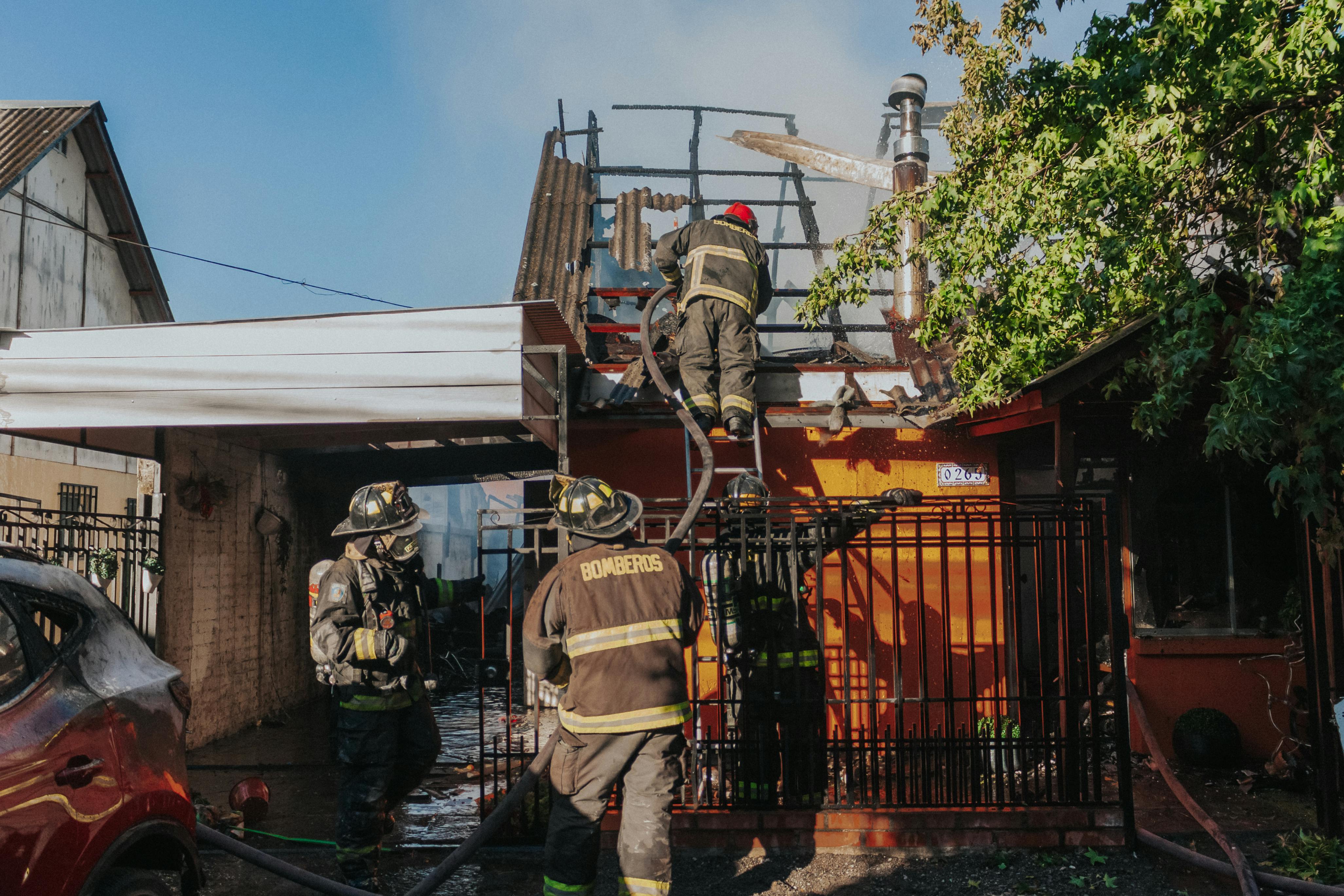
In the wake of a fire, smoke damage can inflict significant harm on homes, leaving behind a lingering odor and compromising structural integrity. For homeowners in Beaverton, addressing smoke damage promptly is crucial to prevent further deterioration. One effective method to mitigate additional harm while restoration efforts are underway is professional tarping. This article delves into the benefits and processes of tarping solutions designed for smoke-damaged homes, ensuring that properties are safeguarded and restoration is efficient.
Understanding the Impact of Smoke Damage
Smoke damage extends beyond visible soot and ash. It can permeate walls, furniture, and air ducts, resulting in long-term issues if not addressed promptly. The effects include:
- Staining and discoloration of surfaces.
- Persistent unpleasant odors.
- Damage to electronics and appliances.
- Potential health risks due to lingering smoke particles.
Given these challenges, implementing immediate protective measures is essential to prevent further harm. Discover expert strategies here to manage smoke damage effectively.
The Role of Tarping in Smoke-Damaged Homes
Tarping serves as a temporary yet crucial solution in safeguarding homes after smoke damage. It involves covering exposed areas, such as roofs and walls, to shield them from environmental elements and prevent further degradation. Here”?s why tarping is an integral part of the restoration process:
Preventing Water Damage
In addition to smoke, fire-damaged homes are at increased risk of water damage from rain and snow. Tarping creates a waterproof barrier, protecting the structure from moisture intrusion. Learn about our tailored solutions designed to combat this issue effectively.
Maintaining Structural Integrity
Exposed surfaces can weaken over time if not protected. Tarping helps maintain the structural integrity of a building by preventing further exposure to the elements. This temporary measure ensures that the home remains stable until full repairs can be undertaken.
Choosing the Right Tarping Solution
Selecting the appropriate tarping solution is vital to ensure the effectiveness of this protective measure. Factors to consider include:
- Material Quality: Durable, weather-resistant materials are essential for effective protection.
- Installation Expertise: Professional installation ensures the tarp is secured properly and can withstand harsh weather conditions.
- Cost-Effectiveness: The solution should balance affordability with effectiveness to ensure comprehensive coverage.
For homeowners in Beaverton, exploring advanced guides and tips on tarping solutions can provide valuable insights into making informed decisions. Explore advanced guides and tips for more information.
Integrating Tarping with Restoration Efforts
Tarping is most effective when integrated with a comprehensive restoration plan. This includes:
- Conducting a thorough assessment of the damage to identify all affected areas.
- Implementing a detailed cleaning regimen to remove soot and neutralize odors.
- Repairing or replacing structural components as needed.
By coordinating tarping with other restoration efforts, homeowners can ensure a smoother and more efficient recovery process. Find out more about this approach to effective home recovery.
Conclusion
In conclusion, tarping provides a crucial line of defense for smoke-damaged homes in Beaverton, helping to prevent further damage and maintain structural integrity. By choosing professional tarping solutions and integrating them with comprehensive restoration efforts, homeowners can safeguard their properties and expedite the recovery process. For those seeking guidance and support in managing smoke damage, numerous resources are available to assist in making informed decisions.
