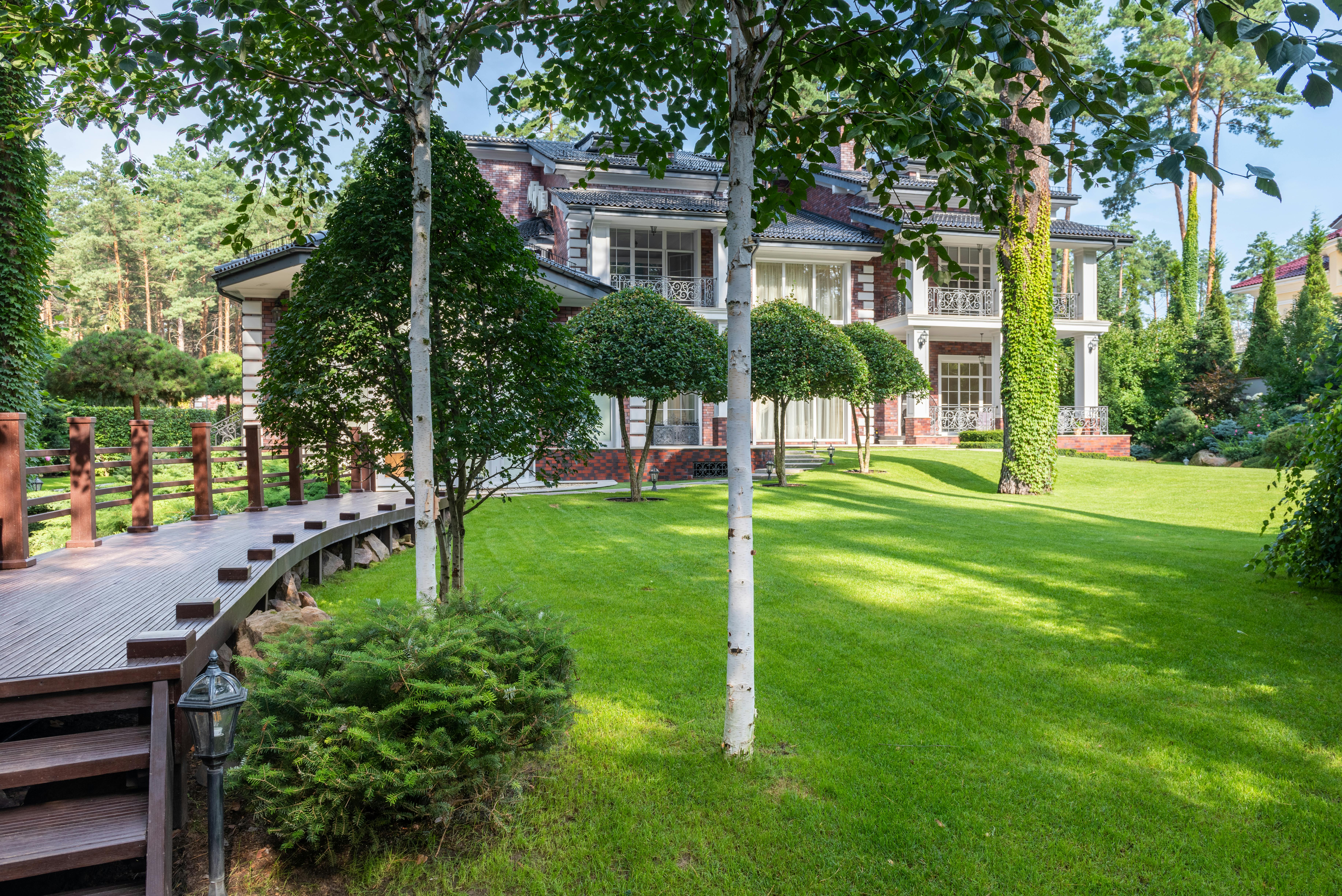
Garden landscaping on the Mornington Peninsula blends natural beauty with functional design, creating outdoor spaces that enhance property value, support local biodiversity, and provide year-round enjoyment. Whether a modest backyard retreat or an expansive coastal garden, the region’s unique climate, soil types, and topography demand a thoughtful approach. This article outlines the key considerations, design principles, and maintenance strategies that define expert garden landscaping services in this distinctive area.
Understanding the Local Environment
Successful landscaping begins with a thorough assessment of site-specific conditions. The Mornington Peninsula experiences a temperate maritime climate, moderate rainfall, and occasional salt-laden breezes, all of which influence plant selection and garden construction.
Climate and Soil Characteristics
- Average annual rainfall: 800-1,200″?mm, providing ample moisture but also requiring good drainage.
- Temperatures range from 5″???C in winter to 28″???C in summer, supporting both cool- and warm-season plants.
- Soils vary from sandy coastal dunes to fertile loam in inland valleys; soil testing is essential for proper amendment.
Key Environmental Factors
- Coastal exposure: Wind-tolerant species and protective hedging reduce erosion.
- Sunlight patterns: North-facing slopes receive maximum sun, while shaded gullies benefit from shade-loving flora.
- Water availability: Incorporating rainwater tanks and efficient irrigation conserves resources.
Design Principles for a Sustainable Garden
Integrating aesthetics with sustainability ensures that a garden remains attractive and low-maintenance over time. The following principles guide the creation of resilient landscapes.
- Native Plant Utilisation: Selecting indigenous species such as Correa, Acacia, and coastal grasses reduces water demand and supports local wildlife.
- Layered Planting: Combining canopy, understory, groundcover, and vertical layers creates visual depth and habitat diversity.
- Hardscape Harmony: Using locally sourced stone, timber, and permeable pavers blends built elements with the natural environment.
- Water Management: Implementing swales, rain gardens, and mulching retains moisture and mitigates runoff.
For a deeper exploration of these concepts, Read more about this topic.
Key Landscape Features
Outdoor Living Areas
Designing functional zones, such as patios, decks, and fire pits, extends indoor living space. Materials should complement the surrounding vegetation and withstand coastal conditions.
Garden Structures
- Arbors and pergolas provide shade and support climbing vines.
- Retaining walls stabilize slopes and create terraced planting beds.
- Water features, from simple birdbaths to reflective pools, enhance tranquility while attracting fauna.
Learn more in this detailed guide.
Ecological Enhancements
Incorporating pollinator gardens, bird habitats, and amphibian shelters promotes biodiversity. Plant groupings that bloom sequentially ensure year-round food sources for insects and birds.
Implementation Process
A systematic approach guarantees quality outcomes and client satisfaction. The typical workflow includes:
- Site Analysis: Topographic survey, soil testing, and micro-climate assessment.
- Concept Development: Sketches, 3-D renderings, and material palettes presented for client feedback.
- Detailed Design: Construction drawings, planting plans, and irrigation schematics.
- Construction Phase: Earthworks, hardscape installation, planting, and irrigation setup.
- Post-Installation Care: Initial watering schedule, pruning guidance, and performance monitoring.
To understand each stage in greater detail, Explore further insights here.
Maintenance Strategies for Longevity
Regular upkeep preserves the health and appearance of the garden. Key practices include:
- Seasonal Pruning: Removes dead wood, shapes growth, and encourages flowering.
- Soil Health Monitoring: Periodic testing and organic amendments maintain fertility.
- Irrigation Management: Adjusting schedules based on rainfall and plant needs reduces waste.
- Pest and Disease Control: Integrated pest management (IPM) minimizes chemical use.
- Mulching: Retains moisture, suppresses weeds, and adds organic matter.
For ongoing guidance, Find additional information here.
Conclusion
Expert garden landscaping on the Mornington Peninsula requires a blend of environmental awareness, design expertise, and diligent maintenance. By respecting the local climate, employing sustainable practices, and integrating functional features, a garden can become a resilient, aesthetically pleasing asset that enhances both lifestyle and property value. Whether embarking on a new project or revitalising an existing space, the principles outlined above provide a solid foundation for creating enduring outdoor environments.
