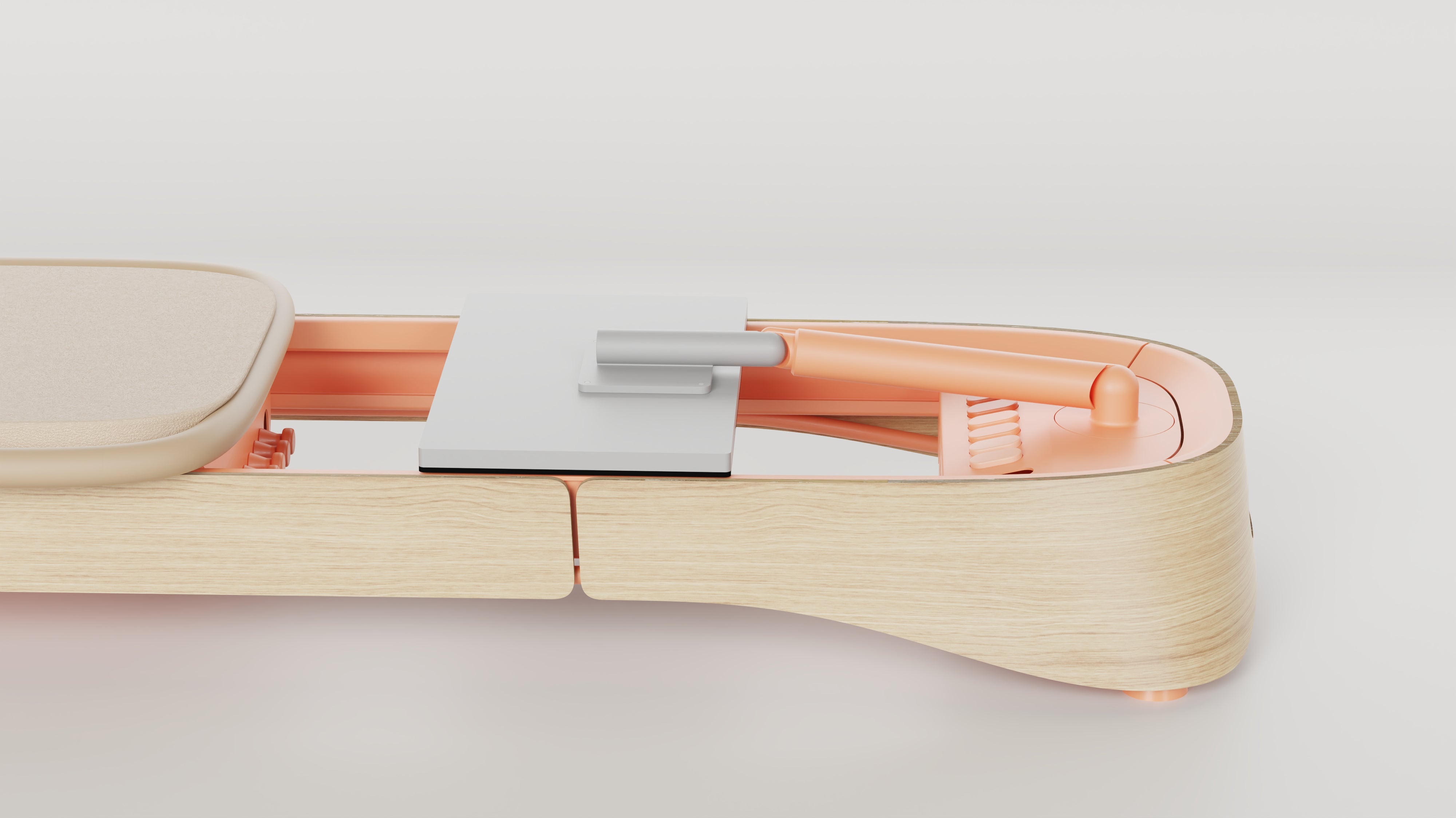
Choosing the right equipment for a home Pilates practice can feel overwhelming, especially when the market offers both sleek, modern frame-based reformers and classic wooden models. Both designs promise the core benefits of Pilates, strength, flexibility, and alignment, but they differ in aesthetics, functionality, durability, and cost. Understanding these differences helps you match a reformer to your space, training goals, and budget, ensuring a satisfying long-term investment.
Design Philosophy: Frame Reformer vs. Wooden Reformer
Frame Reformer
Frame reformers are built around a sturdy metal chassis, often with a minimalist profile. The design emphasizes adjustability, weight-capacity, and integration with digital accessories such as screens or resistance-tracking sensors.
- Lightweight aluminum or steel frame for easy relocation.
- Modular components (carriage, springs, footbars) that can be swapped or upgraded.
- Compatibility with pilates reformer machine with screen for guided workouts.
- Sleek finish that blends with contemporary home gyms.
Wooden Reformer
Wooden reformers draw inspiration from the original Pilates equipment designed by Joseph Pilates. They typically feature a solid wood carriage and a polished hardwood frame, delivering a classic look and a distinct feel.
- Natural wood absorbs vibration, providing a quieter workout.
- Robust construction often rated for higher weight limits.
- Elegant aesthetics that complement traditional interiors.
- Limited integration with high-tech accessories, focusing on pure mechanical resistance.
Performance and User Experience
Resistance and Feel
Both systems use spring-based resistance, but the tactile experience differs. Frame reformers often incorporate a range of spring options and sometimes magnetic or pneumatic resistance, allowing fine-tuned adjustments. Wooden reformers rely on classic coil springs, delivering a more “organic” resistance that many purists prefer.
Stability and Noise
Metal frames can transmit more sound through the floor, especially on hard surfaces. Adding a rubber mat mitigates this issue. Wooden frames naturally dampen noise, making them ideal for shared living spaces.
Space Considerations
- Footprint: Frame models are generally more compact, with fold-away or sliding components that fit tighter rooms.
- Portability: The lighter metal construction makes a frame reformer easier to move for cleaning or re-arranging.
- Height Adjustability: Both types allow carriage height changes, but frame reformers often provide a broader range to accommodate multiple users.
Cost Analysis
Price is a decisive factor for many home practitioners. Frame reformers, especially those with integrated technology, tend to sit at the higher end of the market. Wooden reformers, while still an investment, can be more affordable when opting for a basic model without electronic add-ons.
For a clear picture of budgeting, consider these typical price ranges:
- Entry-level frame reformer: price pilates reformer often starts around $1,500.
- Mid-range wooden reformer: $1,200-$1,800 depending on wood quality and spring set.
- High-end frame with screen integration: $2,500+ for the full reformer pilates with screen package.
Durability and Maintenance
Both designs are built for long-term use, but maintenance differs:
- Metal frames require occasional tightening of bolts and inspection of moving parts.
- Wooden frames benefit from periodic polishing and checking for moisture damage.
- All models need spring replacement over time; however, wooden reformers often use standard coils that are easy to source.
Choosing the Right Reformer for Your Home
When deciding between a frame reformer and a wooden reformer, weigh the following criteria:
Training Goals
- If you value tech-driven instruction, a frame reformer compatible with pilates reformer machine and on-screen classes may be preferable.
- If you seek a quiet, classic feel for low-impact flow, a wooden reformer aligns with that intention.
Space & Lifestyle
- Small apartments benefit from the compact, portable nature of a frame reformer.
- Dedicated home studios with ample space can accommodate the larger footprint of a wooden model.
Budget Constraints
- For a cost-effective solution, explore the best pilates reformer for home options that balance quality and price.
- Those willing to invest in premium features may consider the best at home pilates reformer with integrated tracking.
Final Thoughts
Both frame and wooden reformers deliver the core benefits of Pilates, but they cater to different preferences. A frame reformer offers modern flexibility, tech integration, and space-saving design, ideal for users who enjoy guided, data-driven workouts and need a portable solution. A wooden reformer provides timeless aesthetics, quieter operation, and a tactile connection to Pilates heritage, perfect for those who prioritize a serene, classic experience.
By aligning your choice with your training style, living environment, and budget, you can select the reformer that will support consistent practice and lasting results. Whether you opt for a sleek frame pilates reformer or a beautifully crafted wooden pilates reformer, the investment in a quality reformer is an investment in your health and well-being.
