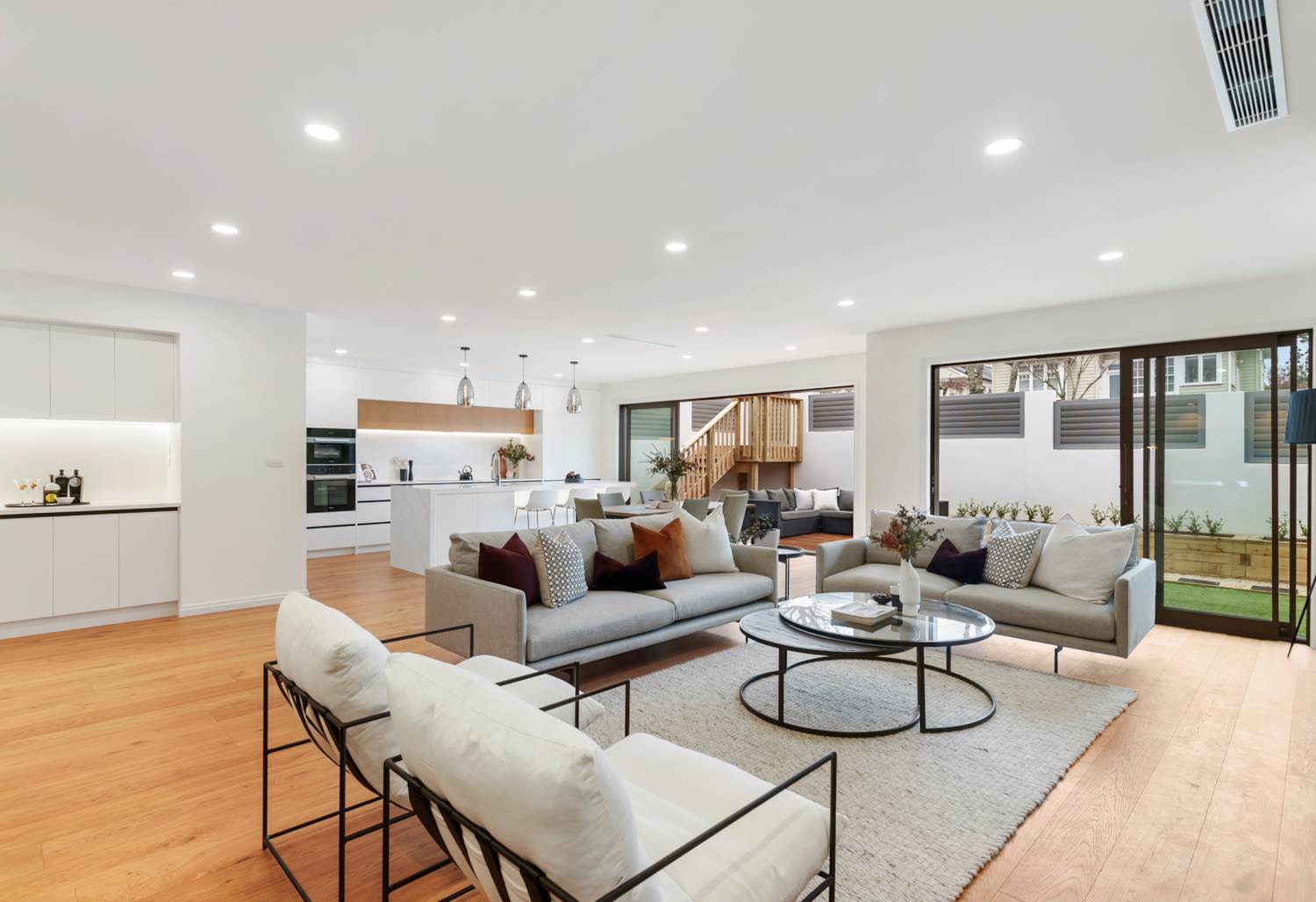
Staging your home for sale is a crucial step in the home-selling process. It requires careful consideration of various factors, including the interior and exterior of the property, as well as the overall aesthetic appeal. A well-staged home can make a significant difference in attracting potential buyers and ultimately selling the property quickly.
Effective Home Staging Strategies
When it comes to home staging, it’s essential to focus on the details. This includes decluttering, depersonalizing, and rearranging furniture to create a welcoming atmosphere. According to expert advice, a clutter-free space can make a home feel larger and more inviting. For more information on this approach, discover expert strategies here.
Decluttering and Depersonalizing
Decluttering is a critical aspect of home staging. It involves removing unnecessary items from the property, including personal belongings, to create a sense of openness and space. This can be achieved by sorting items into categories and donating or discarding items that are no longer needed. Additionally, depersonalizing the space by removing personal photos and mementos can help potential buyers envision themselves living in the property.
Lighting and Color Scheme
Lighting and color scheme are also essential elements of home staging. According to interior design experts, using bright and airy lighting can make a home feel more welcoming and spacious. Additionally, a neutral color scheme can help to create a sense of calm and serenity, making it easier for potential buyers to visualize themselves living in the property. For more tips on lighting and color scheme, explore advanced guides and tips.
Outdoor Spaces
The exterior of the property is just as important as the interior when it comes to home staging. Curb appeal can make a significant difference in attracting potential buyers, and it’s essential to focus on creating a welcoming atmosphere. This can be achieved by landscaping, adding outdoor furniture, and incorporating natural elements such as plants and flowers. For more information on creating a beautiful outdoor space, learn about our tailored solutions.
Staging for Different Types of Properties
Home staging is not a one-size-fits-all approach. Different types of properties require different staging strategies. For example, a modern home may require a more minimalist approach, while a traditional home may benefit from more ornate furnishings. According to expert advice, it’s essential to tailor the staging strategy to the specific needs of the property and the target market. For more information on staging different types of properties, find out more about this approach.
Working with a Professional Stager
While home staging can be a DIY project, working with a professional stager can make a significant difference in the outcome. A professional stager has the expertise and knowledge to create a customized staging plan that meets the specific needs of the property and the target market. Additionally, a professional stager can provide valuable insights and recommendations on how to stage the property for maximum impact.
Conclusion
Home staging is a critical step in the home-selling process. By focusing on the details, including decluttering, depersonalizing, and rearranging furniture, a well-staged home can make a significant difference in attracting potential buyers and ultimately selling the property quickly. Whether working with a professional stager or attempting to stage the property yourself, it’s essential to tailor the staging strategy to the specific needs of the property and the target market. For more information on home staging, discover expert strategies here.
