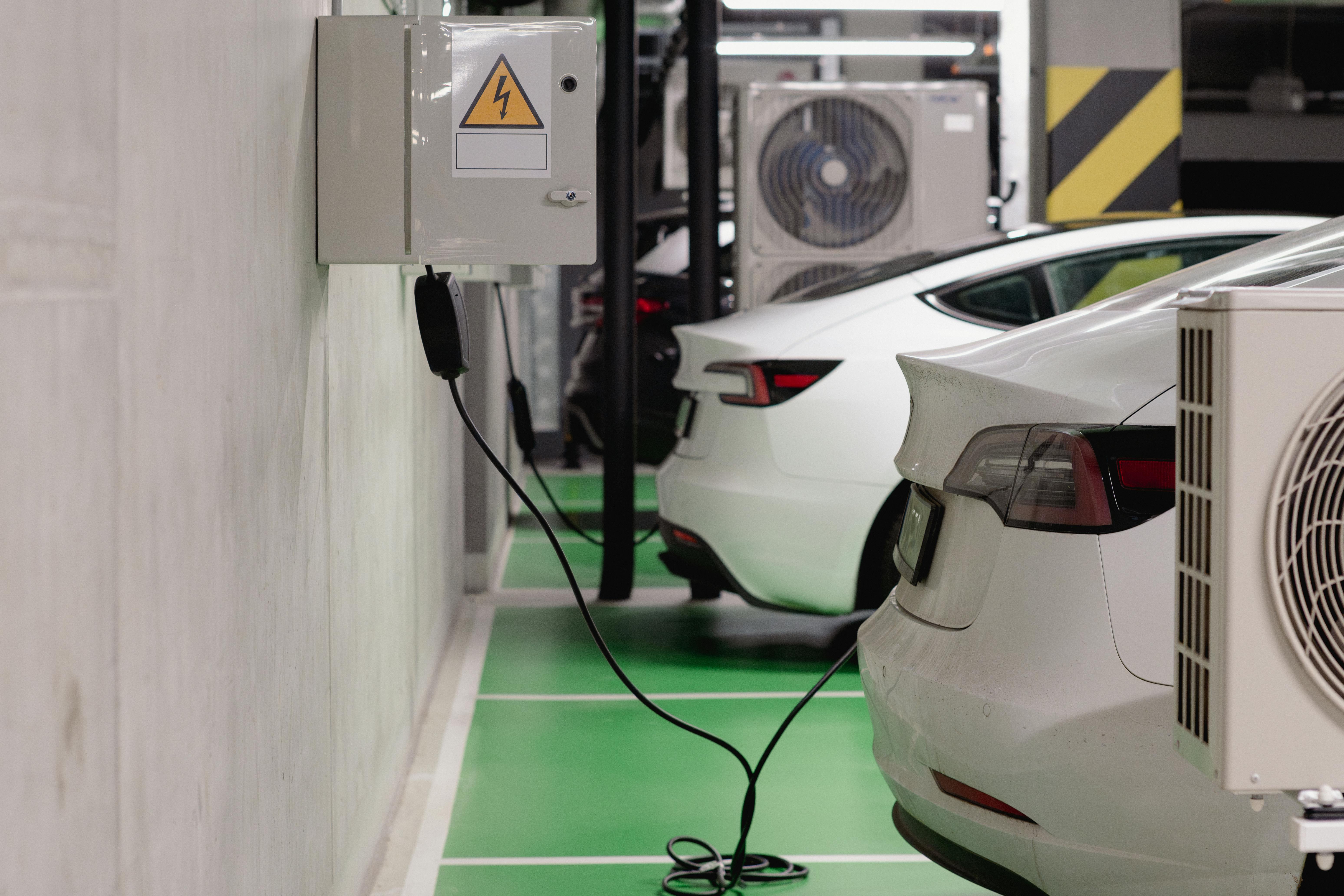
As the world transitions towards more sustainable energy solutions, the development of a reliable charging infrastructure becomes critical to supporting the increasing number of electric vehicles (EVs) on the road. This infrastructure is pivotal not only for the convenience of EV users but also for ensuring the scalability of electric mobility. Building a robust and efficient charging network involves various technical, logistical, and strategic considerations. This article explores key components and strategies essential for developing a reliable charging infrastructure.
Understanding the Core Components of Charging Infrastructure
A dependable charging infrastructure is composed of several core components that work together to provide seamless service to users. These include:
- Charging Stations: The physical locations where EVs are charged, which can be located in public spaces, residential areas, and commercial properties.
- Power Supply Systems: These systems ensure that there is a sufficient and stable supply of electricity to the charging stations.
- Network Communication: The infrastructure must support communication between the vehicle, the charging station, and the network for monitoring and management purposes.
- Payment Systems: Integrated systems that allow users to easily pay for the electricity consumed during the charging process.
To effectively manage these components, it is crucial to engage in strategic planning. Discover expert strategies here to optimize these elements for a robust infrastructure.
Strategic Placement of Charging Stations
Strategic location of charging stations plays a significant role in the accessibility and convenience for EV users. Considerations for placement include:
- High Traffic Areas: Placing stations in areas with high vehicle traffic increases visibility and accessibility.
- Urban and Rural Balance: Ensuring a balance between urban and rural locations can enhance the network’s reach.
- Proximity to Amenities: Locations near amenities such as shopping centers and restaurants can provide added convenience for users while they wait for their vehicles to charge.
Learn about our tailored solutions for effective placement of charging stations here.
Technological Innovations in Charging Infrastructure
Fast Charging Technologies
Fast charging technologies are becoming increasingly important as they reduce the time required for charging an EV. Innovations in this area include:
- High-Power Chargers: Capable of delivering higher wattage, these chargers significantly reduce charging times.
- Smart Charging Systems: These systems can optimize the charging process based on grid demand and user preferences.
Explore advanced guides and tips on fast charging solutions here.
Integration with Renewable Energy
Integrating charging infrastructure with renewable energy sources such as solar and wind can reduce the carbon footprint and operational costs. This integration requires:
- Energy Storage Systems: To store excess energy generated from renewable sources for later use.
- Grid Management Solutions: To manage and distribute the energy efficiently across the network.
Find out more about this approach to integrating renewable energy into charging infrastructure here.
Overcoming Challenges in Infrastructure Development
Despite the benefits, developing a reliable charging infrastructure comes with challenges such as regulatory hurdles, high initial costs, and technological uncertainties. Addressing these requires:
- Policy Support: Engaging with policymakers to develop supportive regulations and incentives.
- Public-Private Partnerships: Collaborating across sectors to share risks and investments.
- Continuous Innovation: Investing in research and development to stay ahead of technological challenges.
To navigate these challenges, explore advanced guides and tips here.
