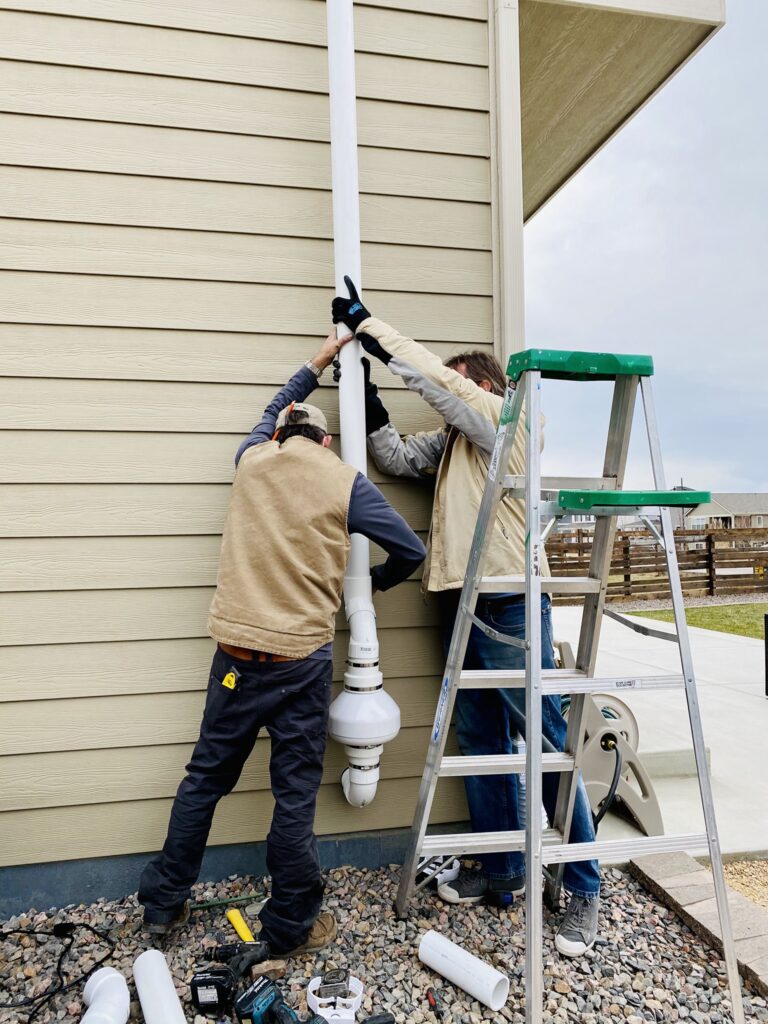
Radon is a naturally occurring radioactive gas that can pose significant health risks if it accumulates in buildings. In Denver, where geological conditions can lead to higher radon levels, effective radon mitigation services play a crucial role in ensuring indoor air quality and safety. Understanding the importance of these services and how they work can help homeowners and businesses make informed decisions about safeguarding their environments.
The Importance of Radon Mitigation
Radon exposure is a leading cause of lung cancer among non-smokers, making it imperative to address elevated levels promptly. Properties in Denver are particularly susceptible due to the region’s soil composition. As such, implementing effective mitigation strategies is essential. Discover expert strategies here to understand how these solutions can protect health and wellbeing.
Health Risks Associated with Radon
- Chronic exposure to radon increases the risk of lung cancer.
- Children and elderly are more vulnerable to its effects.
- High radon levels can exacerbate existing respiratory conditions.
Understanding Radon Mitigation Systems
Effective radon mitigation involves a series of steps tailored to the specific needs of a building. The primary goal is to reduce radon concentrations to safe levels, typically below 4 picocuries per liter (pCi/L), as recommended by the EPA. Learn about our tailored solutions to ensure comprehensive protection.
Common Mitigation Techniques
- Sub-slab Depressurization: Utilizes a fan and vent pipe system to draw radon from beneath the house and release it outside.
- Soil Suction: Involves drawing radon gas from the soil around the building foundation to reduce indoor levels.
- Sealing: Cracks and openings in the foundation are sealed to prevent radon entry.
- House Pressurization: Adjusts indoor air pressure to reduce radon infiltration.
Choosing the Right Mitigation Service
Selecting a qualified and experienced radon mitigation service is crucial for achieving optimal results. When evaluating different providers, consider the following factors:
- Certification and Licensing: Ensure the service provider is certified by the National Radon Proficiency Program (NRPP) or the National Radon Safety Board (NRSB).
- Experience: Providers with extensive experience in the Denver area are more likely to understand the local challenges and solutions.
- References and Reviews: Look for positive feedback from previous clients to gauge the quality of service.
- Comprehensive Testing and Post-Mitigation Follow-Up: Effective services include thorough pre- and post-mitigation radon testing.
By considering these factors, homeowners and businesses can make informed decisions. Explore advanced guides and tips for selecting a trusted service provider.
Maintaining Safe Radon Levels
Once a mitigation system is in place, regular maintenance and monitoring are key to ensuring its effectiveness over time. This involves periodic testing to confirm that radon levels remain within safe limits. For continuous protection, property owners should also be aware of any changes to the building or its surroundings that might affect radon levels.
Regular system checks by professionals can prevent potential issues and ensure long-term safety. For more information on maintaining radon mitigation systems, find out more about this approach.
In conclusion, effective radon mitigation is a critical component of maintaining a healthy indoor environment, particularly in areas like Denver with naturally higher radon levels. By understanding the risks, available solutions, and the importance of professional services, property owners can take proactive steps to safeguard their health and that of their families.
