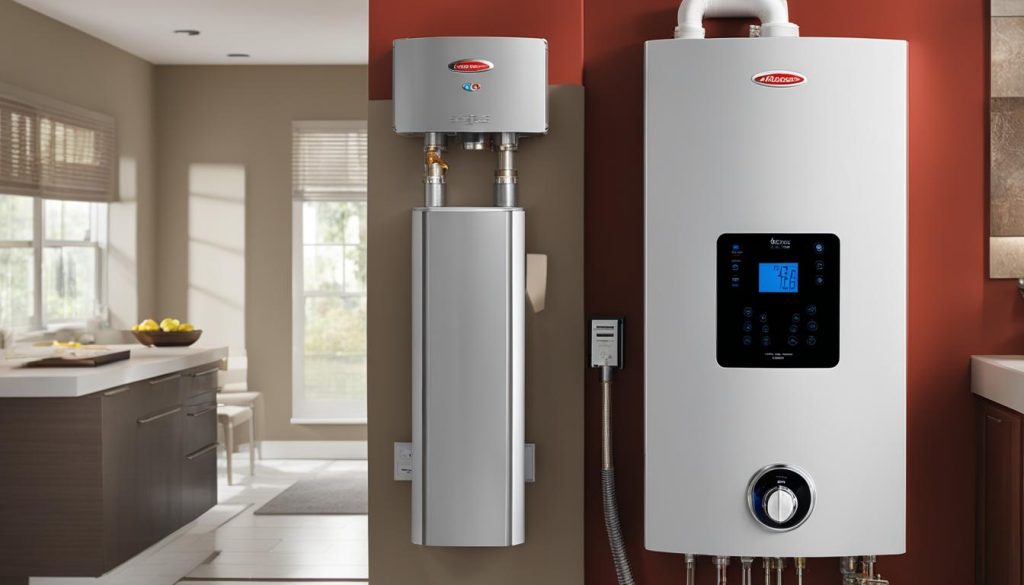
The demand for efficient and sustainable solutions in home utilities has led to increasing interest in gas tankless water heaters. These systems offer an innovative approach to water heating by providing hot water on demand without the need for a bulky storage tank. This not only saves space but also improves energy efficiency, making them an attractive option for modern households. Understanding the features, benefits, and considerations of gas tankless water heaters can help homeowners make informed decisions about their water heating needs.
What is a Gas Tankless Water Heater?
A gas tankless water heater is a type of water heating system that heats water directly without the use of a storage tank. When hot water is needed, cold water travels through a pipe into the unit. A gas burner heats the water as it passes through, delivering a constant supply of hot water. This process eliminates the standby heat losses associated with conventional storage water heaters.
Advantages of Using Gas Tankless Water Heaters
Gas tankless water heaters offer several advantages over traditional water heaters:
- Energy Efficiency: These systems are generally more energy-efficient, as they only heat water on demand, reducing the energy wasted in maintaining a tank full of hot water.
- Space Saving: Without the need for a large storage tank, these units can be installed in smaller spaces, making them ideal for homes with limited room.
- Longer Lifespan: Tankless heaters often have a longer operational life compared to traditional tanks, with many models lasting over 20 years with proper maintenance.
- Continuous Hot Water Supply: Unlike traditional heaters that can run out of hot water, tankless systems provide a steady supply as long as there is a demand.
Considerations Before Installation
While gas tankless water heaters offer numerous benefits, there are some considerations to keep in mind before installation:
- Initial Cost: The upfront cost of purchasing and installing a gas tankless water heater can be higher than that of a traditional system. However, the energy savings over time can offset this initial investment.
- Installation Requirements: Proper installation is crucial for optimal performance. This may require upgrading the gas line and ensuring proper ventilation.
- Maintenance: Regular maintenance is essential to ensure efficiency and longevity. This includes descaling to prevent mineral buildup and regular inspections of the burner and other components.
Choosing the Right Model
Selecting the appropriate gas tankless water heater depends on several factors, including the size of the household, water consumption patterns, and climate. Here are some tips to guide the selection process:
- Determine Hot Water Demand: Calculate the peak hot water demand in gallons per minute (GPM) to ensure the chosen model can meet household needs.
- Consider Climate: In colder areas, a more powerful unit may be necessary to ensure the water is heated adequately.
- Research and Compare Models: Evaluate different models based on efficiency ratings, warranty, and user reviews to find the best fit.
Conclusion
Gas tankless water heaters are an excellent choice for those seeking an efficient and space-saving solution to their water heating needs. By understanding the benefits and considerations associated with these systems, homeowners can make informed decisions that lead to enhanced comfort and energy savings. With proper evaluation and installation, these heaters can provide reliable and cost-effective hot water supply for many years.
