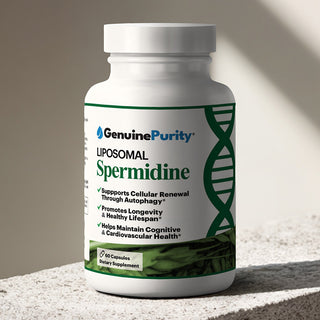
Liposomal delivery systems have emerged as a transformative technology in the nutraceutical and pharmaceutical arenas, offering a sophisticated method to protect active ingredients and enhance their absorption. By encapsulating nutrients within phospholipid vesicles, liposomes mimic the structure of cell membranes, allowing for more efficient transport across biological barriers. This article delves into the scientific principles that underpin liposomal formulas, examines the key factors that influence their performance, and highlights practical considerations for formulation developers and informed consumers alike.
Fundamental Principles of Liposome Architecture
A liposome is essentially a spherical bilayer composed of phospholipids, molecules that possess both hydrophilic (water-loving) heads and hydrophobic (water-fearing) tails. When placed in an aqueous environment, these molecules spontaneously arrange themselves into a double-layered sphere, creating an aqueous core that can encapsulate water-soluble compounds while the lipid bilayer houses fat-soluble actives.
Key structural elements
- Phospholipid composition: The choice of phosphatidylcholine, phosphatidylserine, or mixed phospholipids determines membrane fluidity and stability.
- Size distribution: Nanometer-scale vesicles (50-200″?nm) generally achieve the highest cellular uptake, whereas larger multilamellar vesicles may provide slower release profiles.
- Surface charge: Zeta potential influences colloidal stability and interaction with biological membranes; a modest negative charge often reduces aggregation.
Mechanisms That Enhance Bioavailability
Traditional oral supplements suffer from degradation in the stomach and limited transport across the intestinal epithelium. Liposomal encapsulation addresses these challenges through several mechanisms:
- Protection from gastric acid: The lipid bilayer shields sensitive nutrients from low pH, preserving their integrity until they reach the small intestine.
- Facilitated transcellular transport: Liposomes can fuse with enterocyte membranes, delivering their payload directly into the cytoplasm.
- Lymphatic uptake: Larger vesicles may enter the lymphatic system, bypassing first-pass hepatic metabolism and extending systemic circulation.
For a deeper look at commercially available options, explore the curated collection of Liposomal Formulas that illustrate these principles in practice.
Formulation Considerations for Optimal Performance
Encapsulation Efficiency
Achieving high encapsulation efficiency (EE) ensures that a maximal proportion of the active ingredient is retained within the vesicle. Strategies include:
- Adjusting the lipid-to-active ratio to favor incorporation.
- Utilizing sonication or high-pressure homogenization to reduce vesicle size and improve loading.
- Incorporating cholesterol to stabilize the bilayer and reduce leakage.
Stability Over Shelf Life
Liposomal products must remain stable during storage. Factors influencing stability are:
- Temperature: Refrigeration slows oxidation of phospholipids.
- Antioxidants: Adding vitamin”?E or tocopherols can protect the membrane.
- Lyophilization: Freeze-drying converts liquid suspensions into powders that reconstitute on use, extending shelf life.
Safety and Regulatory Landscape
Because liposomes are composed of naturally occurring phospholipids, they are generally recognized as safe (GRAS) when sourced from reputable suppliers. Nonetheless, manufacturers must adhere to:
- Good Manufacturing Practices (GMP) to ensure batch-to-batch consistency.
- Clear labeling of lipid sources (e.g., soy, sunflower) for allergen awareness.
- Compliance with dietary supplement regulations regarding potency claims and health statements.
Future Directions in Liposomal Technology
Ongoing research is expanding the capabilities of liposomal delivery beyond conventional nutrients. Emerging trends include:
- Targeted liposomes: Surface modification with ligands or antibodies to direct vesicles to specific tissues or cell types.
- Hybrid systems: Combining liposomes with polymers or inorganic nanoparticles for controlled release and enhanced stability.
- Personalized nutrition: Tailoring liposomal formulations to individual metabolic profiles using data-driven algorithms.
