In the realm of industrial engineering, air separation units (ASUs) play a critical role in various sectors, ranging from steel manufacturing to the production of medical-grade oxygen. These facilities are designed to separate atmospheric air into its primary components?oxygen, nitrogen, and argon?each serving specific industrial purposes. To meet the growing demand and maintain operational efficiency, maximizing output in air separation industrial units is imperative. This comprehensive guide delves into the strategies and technologies that can be employed to enhance productivity, ensuring that these industrial powerhouses operate at their full potential.
Understanding Air Separation Industrial Units
Air separation industrial units are a cornerstone of the modern industrial landscape. These units employ a combination of physical and chemical processes to separate and purify air components. The efficiency and productivity of an air separation industrial unit are paramount to meeting the demands of various sectors.
- Cryogenic Distillation: This is the most common method used in ASUs, where air is cooled to extremely low temperatures to liquefy and separate it into its components.
- Non-Cryogenic Processes: These include pressure swing adsorption (PSA) and membrane technologies, which are used when smaller volumes of gas are required.
Key Components in Air Separation Units
Several critical components are involved in the operation of an air separation industrial plant, each playing a crucial role in the efficient separation of air.
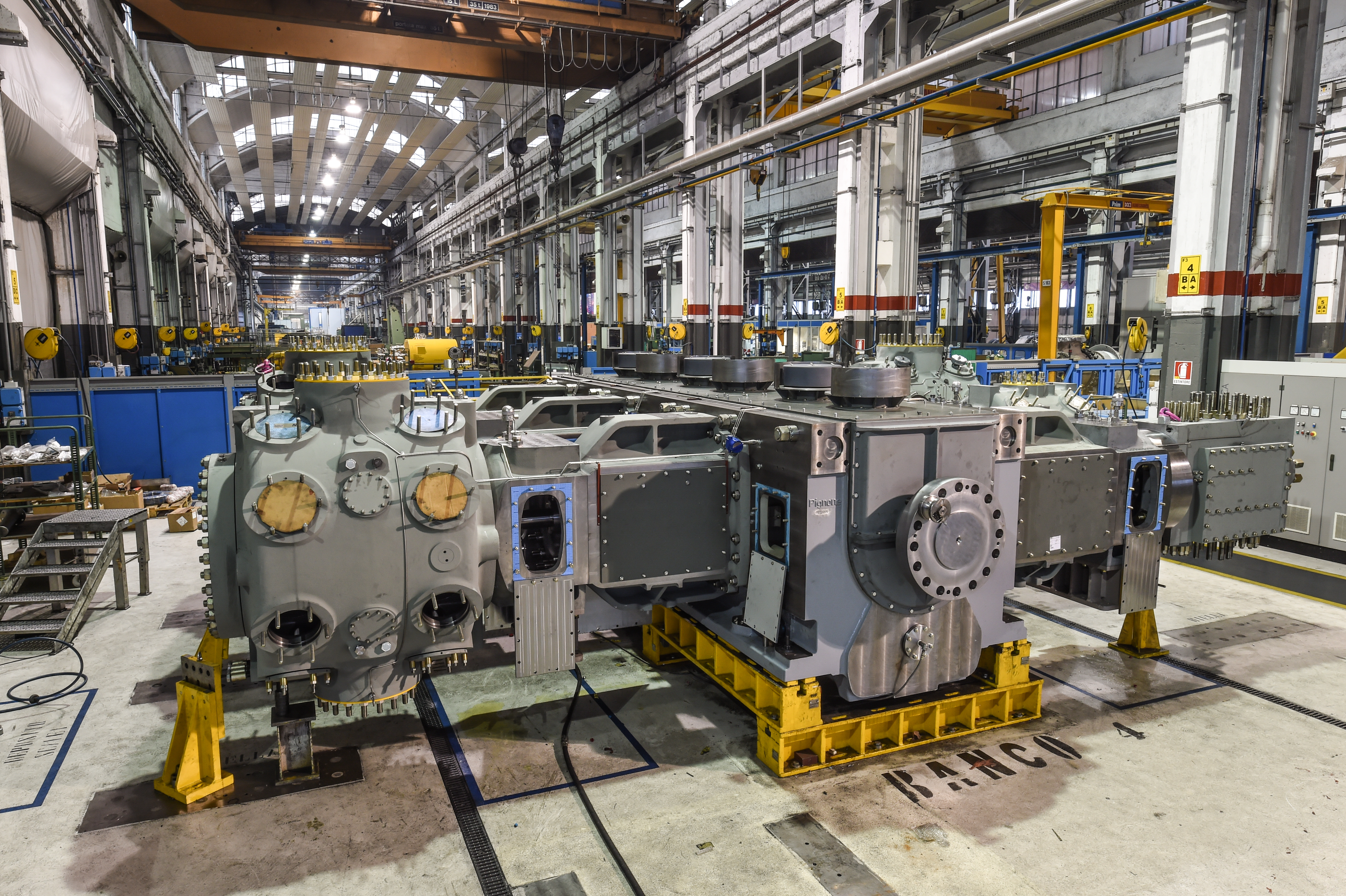
- Compressors: Industrial API 618 compressors are essential for pressurizing air before it enters the separation unit. They are known for their reliability and efficiency in industrial applications.
- Heat Exchangers: These devices are vital for pre-cooling air and recovering energy in the process, thereby enhancing overall efficiency.
- Distillation Columns: Specially designed columns where the actual separation of liquefied air occurs through fractional distillation.
Strategies to Maximize Output
Maximizing output in ASU industrial oxygen plant involves a combination of operational strategies and technological advancements.
Operational Excellence
- Regular Maintenance: Implement a robust maintenance schedule to ensure all components are functioning optimally and to prevent unexpected downtimes.
- Energy Management: Optimize energy usage by using advanced control systems and energy-efficient technologies.
- Workforce Training: Regularly train staff on the latest operational techniques and safety protocols to enhance productivity and safety.
Technological Advancements
- Advanced Control Systems: Implement modern control systems that use AI and machine learning to predict and optimize operational parameters in real-time.
- Innovative Compressor Technologies: Invest in the latest industrial API 618 compressors that offer higher efficiency and reliability.
- Automation: Increased automation can streamline operations, reduce human error, and enhance speed and efficiency.
Conclusion
Maximizing output in air separation units is not just about enhancing operational capabilities but also about embracing innovation and sustainability. By focusing on both process improvements and technological advancements, industries can ensure that their air separation facilities remain competitive and efficient. The integration of advanced technologies like AI and automation, along with a commitment to operational excellence, can significantly boost the productivity of an air separation industrial unit. As the demand for industrial gases continues to grow, adopting these strategies will be crucial in meeting future needs while maintaining sustainability and efficiency.
