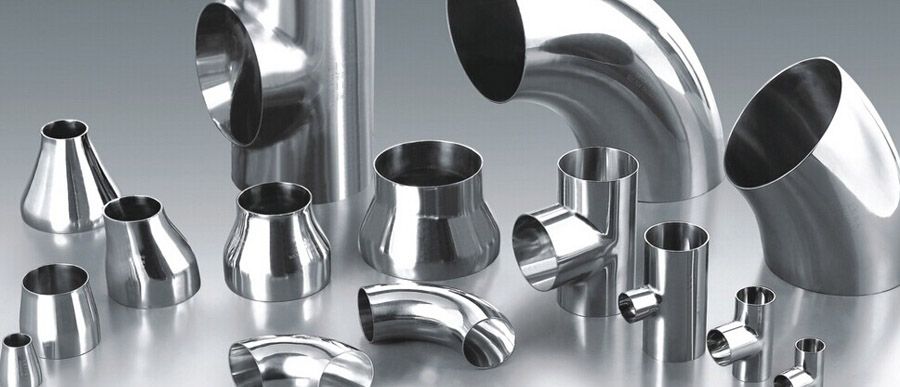
The installation of steel pipe joints is a critical component of various industrial processes, requiring precision and adherence to specific guidelines. A well-executed steel pipe joint installation can significantly enhance the overall efficiency and safety of a system, whereas a poorly executed one can lead to costly repairs and even safety hazards. In this article, we will delve into the best practices for steel pipe joint installation, providing you with a comprehensive guide to ensure a successful outcome.
Understanding the Importance of Proper Steel Pipe Joint Installation
Proper steel pipe joint installation is paramount in ensuring the longevity and performance of a system. A steel pipe joint is a critical connection point in a piping system, where pipes are joined together to transport fluids or gases. The joint must be strong and durable to withstand the pressure and temperature fluctuations that occur within the system. A poorly designed or installed steel pipe joint can lead to leaks, corrosion, and even system failure.
- The first step in ensuring proper steel pipe joint installation is to select the correct materials and components. This includes choosing the right type of pipe, fitting, and gasket to ensure compatibility and optimal performance.
- It is also essential to consider the system’s operating conditions, including temperature, pressure, and flow rate, to ensure the steel pipe joint can withstand these demands.
- A thorough inspection of the pipe and fitting surfaces is necessary to ensure they are clean and free of debris, which can compromise the joint’s integrity.
Best Practices for Steel Pipe Joint Installation
When it comes to installing steel pipe joints, there are several best practices to follow to ensure a successful outcome. These include:
- Using the correct torque and tightening sequence to avoid over-tightening or under-tightening the joint.
- Ensuring the pipe and fitting surfaces are properly aligned and seated to prevent leaks and ensure a secure connection.
- Using the correct type and amount of gasket material to ensure a leak-free joint.
For more information on selecting the correct gasket material for your steel pipe joint, visit steel pipe joint specialists who provide expert advice and guidance.
Common Mistakes to Avoid
Despite the importance of proper steel pipe joint installation, many common mistakes can occur, including:
- Using the wrong type of pipe or fitting, which can lead to incompatibility and system failure.
- Insufficient or excessive tightening of the joint, which can compromise the joint’s integrity.
- Failure to properly inspect the pipe and fitting surfaces, which can lead to leaks and system failure.
By avoiding these common mistakes and following the best practices outlined above, you can ensure a successful steel pipe joint installation and minimize the risk of costly repairs and safety hazards.
Conclusion
In conclusion, proper steel pipe joint installation is critical to the overall performance and safety of a system. By following the best practices outlined above and avoiding common mistakes, you can ensure a successful outcome and minimize the risk of costly repairs and safety hazards. Remember to always select the correct materials and components, consider the system’s operating conditions, and ensure proper inspection and installation of the steel pipe joint.
For more information on steel pipe joint installation and maintenance, visit steel pipe joint specialists who provide expert advice and guidance.
