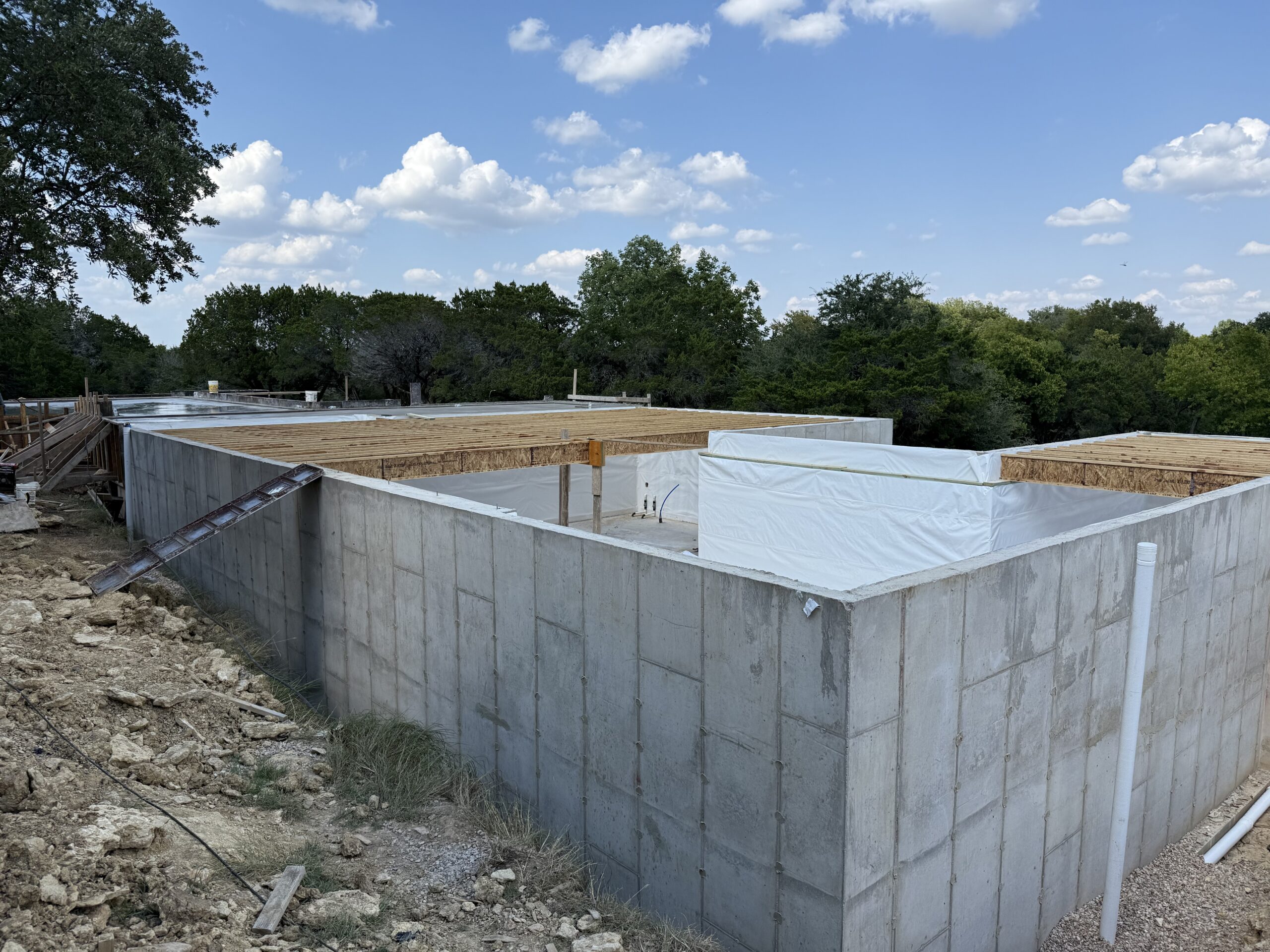
Basement foundation waterproofing is a critical component of any durable residential or commercial structure. When moisture infiltrates a foundation, it can compromise structural integrity, promote mold growth, and increase energy costs. Understanding why waterproofing matters, recognizing the signs of water intrusion, and implementing effective prevention methods protect both the building and its occupants. This article outlines the essential reasons for waterproofing, the most common vulnerabilities, and practical steps that can be taken to ensure a dry, stable foundation.
Why Waterproofing the Foundation Is Non-Negotiable
Water is one of the most aggressive forces acting on a building’s base. Over time, even small amounts of seepage can lead to:
- Concrete deterioration and cracking, which weaken load-bearing capacity.
- Rust formation on steel reinforcement, accelerating structural degradation.
- Growth of mold and mildew, creating health hazards for occupants.
- Increased humidity that raises heating and cooling expenses.
Addressing these risks early reduces long-term repair costs and preserves property value. For a deeper dive into the consequences of neglect, Discover expert strategies here.
Common Entry Points for Moisture
Identifying how water reaches the foundation is the first step toward an effective waterproofing plan. Typical pathways include:
Exterior Sources
- Improper grading that directs surface runoff toward the walls.
- Faulty or clogged gutters and downspouts.
- Cracks in the exterior concrete or block walls.
- Insufficient exterior sealants or membrane coverage.
Interior Sources
- Plumbing leaks behind walls or under slabs.
- Condensation from HVAC systems without proper vapor barriers.
- Basement cracks that allow groundwater to seep in during heavy rains.
Understanding these vulnerabilities helps target the most effective remedial actions. For a comprehensive checklist, Learn about our tailored solutions.
Key Components of a Robust Waterproofing System
A successful waterproofing strategy blends several layers of protection, each addressing a specific threat. The following components are widely recognized as best practices:
- Exterior Drainage Systems – French drains, perforated pipe, and proper slope grading divert water away from the foundation.
- Waterproof Membranes – Sheet or liquid-applied membranes create a continuous barrier on exterior walls.
- Sealants and Crack Injections – Polyurethane or epoxy injections seal structural cracks and prevent infiltration.
- Interior Drainage and Sump Pumps – Interior French drains coupled with a reliable pump handle any water that does penetrate.
- Vapor Barriers – Polyethylene sheeting under slabs reduces upward moisture migration.
When these elements are installed correctly, they work synergistically to keep basements dry year after year. Detailed guidance on selecting and installing these layers can be found at Explore advanced guides and tips.
Maintenance Practices to Extend Waterproofing Longevity
Even the most expertly applied waterproofing requires periodic inspection and upkeep. Regular maintenance not only preserves performance but also catches emerging issues before they become costly repairs.
- Inspect gutters and downspouts twice a year; clear debris to maintain proper flow.
- Check exterior grading after heavy storms; re-grade if soil has shifted toward the foundation.
- Monitor interior walls for discoloration, efflorescence, or musty odors.
- Test sump pump operation annually and keep the pit clear of debris.
- Schedule professional assessments every 3-5 years to evaluate membrane integrity and drainage functionality.
Adopting these habits ensures that the waterproofing system remains effective over its intended lifespan. Additional maintenance tips are available at Find out more about this approach.
Choosing the Right Professionals for Installation
Selecting a qualified contractor is as important as the waterproofing materials themselves. Look for professionals who demonstrate:
- Certifications from recognized industry organizations.
- A portfolio of completed projects with documented results.
- Transparent, written proposals that outline each system component.
- Positive client testimonials that reflect reliability and quality.
By partnering with experienced specialists, property owners gain confidence that the system will perform as designed. For guidance on evaluating service providers, refer to the resources at Discover expert strategies here.
Conclusion
Investing in basement foundation waterproofing safeguards structural stability, indoor air quality, and energy efficiency. Recognizing the pathways water uses to infiltrate, implementing a multi-layered defense, and committing to regular maintenance form a comprehensive protection plan. Leveraging reputable expertise and proven technologies ensures that basements remain dry, functional, and resilient against the challenges posed by moisture.
