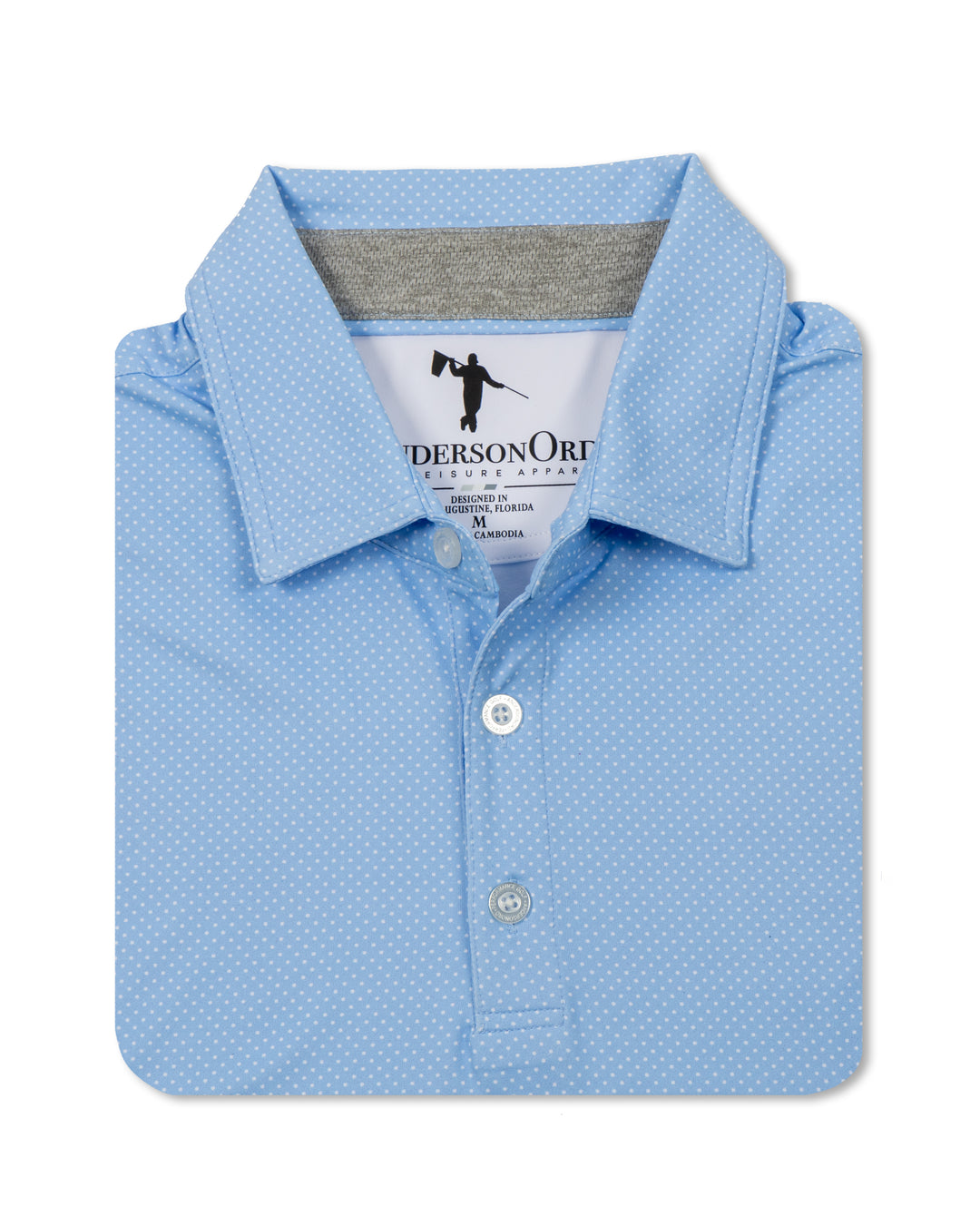
Golfers of every skill level know that the right clothing can be the difference between a confident swing and a distracted round. Technical golf apparel combines advanced fabrics, ergonomic design, and climate-responsive features to help players stay comfortable, focused, and mobile on the course. By understanding the science behind these garments, golfers can make informed choices that enhance performance without compromising style. This article explores the key components of technical golf wear, how they impact the game, and practical tips for selecting pieces that align with individual needs.
Why Technical Fabrics Matter
Traditional cotton or polyester shirts often trap moisture, restrict movement, and fail to regulate temperature. Modern technical fabrics address these shortcomings through engineered fibers that provide:
- Moisture wicking: Pulls sweat away from the skin, allowing it to evaporate quickly.
- Breathability: Microporous structures enable airflow while maintaining a protective barrier.
- Stretch and recovery: Four-way stretch materials move with the golfer’s swing and return to their original shape.
- UV protection: Built-in sun-blocking properties reduce skin exposure during long daylight rounds.
These attributes contribute to a stable core temperature, which is essential for maintaining focus and consistency throughout an 18-hole round. For a deeper dive into fabric technology, Read more about this topic.
Performance-Driven Design Elements
Ergonomic Cuts
Technical golf shirts and pants are tailored to accommodate the unique motions of a golf swing. Features often include:
- Raglan sleeves or gusseted underarms to prevent binding.
- Articulated knees and hips that allow a full range of motion.
- Seam-less or flat-lock stitching to reduce irritation.
Weather Adaptability
Golfers face a wide range of weather conditions, from early-morning dew to high-temperature afternoons. Technical apparel frequently incorporates:
- Water-resistant membranes that shed rain while remaining breathable.
- Ventilation panels that open on demand to release excess heat.
- Thermal layers that can be added or removed without bulk.
Understanding how these design elements function can help players build a versatile wardrobe. Learn more in this detailed guide.
Choosing the Right Technical Golf Apparel
Selecting garments that align with personal preferences and playing conditions involves evaluating several criteria:
- Fit preference: Slim, regular, or relaxed cuts each offer distinct mobility and comfort levels.
- Climate considerations: Prioritize moisture-wicking and ventilation for hot climates; focus on windproof and insulated options for cooler environments.
- Activity intensity: For practice sessions that involve extensive walking, prioritize lightweight, breathable fabrics. Competitive play may call for added compression for muscle support.
- Maintenance requirements: Look for garments that are machine-washable and retain performance after repeated laundering.
By matching these factors to individual needs, golfers can avoid the common pitfalls of ill-fitting or under-performing clothing. Explore further insights here.
Sustainability and Technical Apparel
The golf industry is increasingly embracing eco-friendly manufacturing processes. Many technical fabrics now incorporate recycled polyester, organic cotton blends, or bio-based fibers that reduce environmental impact without sacrificing performance. When evaluating options, consider:
- Certifications such as Global Recycled Standard (GRS) or bluesign??.
- Durability ratings that indicate a longer product lifespan.
- Transparency from the producer regarding water usage and chemical treatments.
Choosing sustainable technical apparel not only supports environmental stewardship but also often results in higher-quality, longer-lasting garments. Find additional information here.
Maintenance Tips to Preserve Performance
Technical fabrics retain their functional properties when cared for properly. Follow these best practices to extend the life of golf apparel:
- Wash in cold water on a gentle cycle to prevent fiber breakdown.
- Avoid fabric softeners, which can clog wicking channels.
- Air-dry whenever possible; high heat from dryers can diminish elasticity.
- Store in a cool, dry place away from direct sunlight to preserve UV-blocking treatments.
Regular maintenance ensures that moisture-wicking, stretch, and protective features remain effective round after round.
Conclusion
Technical golf apparel represents a convergence of material science, ergonomic design, and environmental responsibility. By understanding how moisture management, breathability, fit, and weather adaptability interact, golfers can select clothing that genuinely enhances performance. Investing in well-engineered pieces, maintaining them correctly, and staying informed about sustainable options empowers players to focus on the swing, the strategy, and the enjoyment of the game, unleashing their full potential on every fairway.
