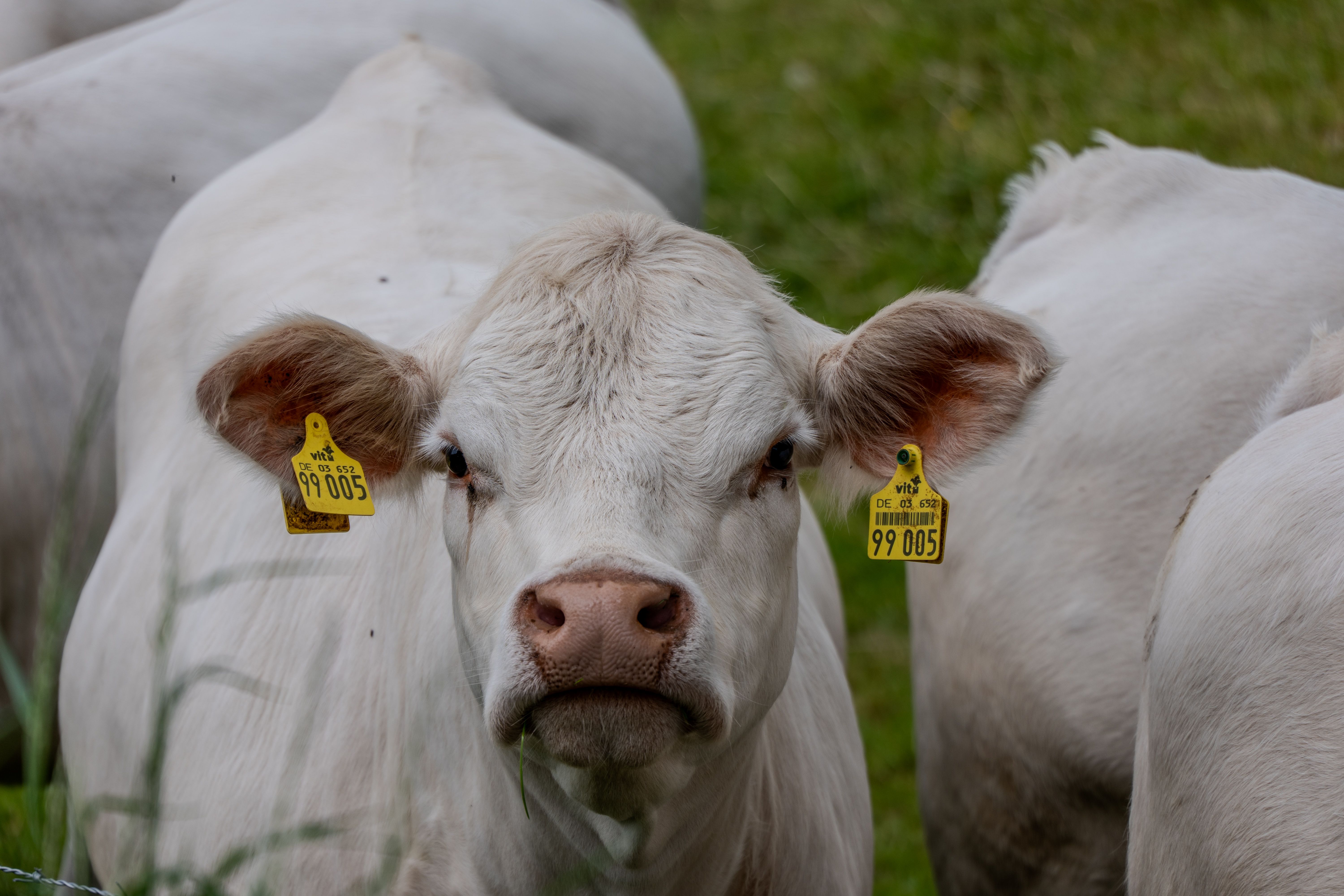
Sustainable beef farming is becoming a cornerstone of Europe’s agricultural policy, balancing the need for high-quality protein with environmental stewardship. As climate concerns intensify, the sector is under pressure to reduce greenhouse-gas emissions, protect biodiversity, and preserve soil health while maintaining economic viability. The shift toward more responsible practices not only safeguards natural resources but also responds to growing consumer demand for transparency and ethical production. By integrating scientific research, innovative technologies, and collaborative frameworks, European producers can lead the global transition toward a resilient and low-impact beef industry.
Key Drivers Behind Sustainable Practices
Environmental Regulations and Targets
The European Union has set ambitious climate goals, including a 55″?% reduction in greenhouse-gas emissions by 2030. Beef farms are required to adopt measures that align with these targets, such as improving feed efficiency and optimizing manure management.
Market Demand and Consumer Expectations
Modern consumers increasingly prioritize animal welfare, carbon footprints, and traceability. Brands that can demonstrate measurable sustainability gain market advantage, prompting producers to adopt certified standards and transparent reporting.
Core Elements of Sustainable Beef Farming
- Optimized Feed Rationing: Using high-quality forages and precision feeding reduces methane emissions per kilogram of meat.
- Rotational Grazing: Moving cattle across pastures promotes soil regeneration, enhances carbon sequestration, and improves biodiversity.
- Manure Management: Implementing anaerobic digesters and proper storage minimizes nitrogen runoff and captures biogas for renewable energy.
- Genetic Selection: Breeding for traits such as feed conversion efficiency and disease resistance cuts resource use.
- Digital Monitoring: Sensors and data platforms enable real-time tracking of animal health, pasture conditions, and emissions.
Economic Benefits of Sustainable Approaches
Adopting sustainable methods can enhance profitability through lower input costs, premium pricing, and reduced risk exposure. For example, efficient grazing lowers feed expenses, while renewable energy generated from biogas can offset electricity bills. Moreover, compliance with EU standards opens access to subsidies and grants aimed at climate-friendly agriculture.
Stakeholders seeking detailed guidance can Discover expert strategies here. The resource offers case studies, policy updates, and practical toolkits that translate scientific insights into actionable farm-level plans.
Challenges and Solutions
- Knowledge Gaps: Many producers lack training on advanced techniques. Extension services and online platforms provide scalable education. Learn about our tailored solutions.
- Initial Investment: Upfront costs for equipment such as precision feeders can be a barrier. Financial instruments, including low-interest loans and EU co-funding, help mitigate this hurdle.
- Data Integration: Collecting and interpreting large data sets requires expertise. Partnerships with research institutions streamline analytics and ensure data-driven decisions.
Future Outlook for European Beef Production
The trajectory of sustainable beef farming points toward greater integration of circular economy principles. Emerging technologies, such as methane-inhibiting feed additives, satellite-based pasture monitoring, and blockchain for traceability, are set to become mainstream. As regulatory frameworks evolve, the industry will likely see tighter carbon accounting and broader adoption of life-cycle assessments.
For readers interested in the most up-to-date guidance, Explore advanced guides and tips. These resources cover everything from carbon-footprint calculation methods to best practices for biodiversity enhancement on grazing lands.
Actionable Steps for Stakeholders
- Conduct a baseline sustainability audit to identify emission hotspots.
- Implement rotational grazing plans that align with local ecosystem capacities.
- Invest in feed optimization software to reduce methane per animal.
- Adopt manure-to-energy technologies where feasible.
- Engage with EU support programmes and industry networks for funding and knowledge sharing.
Further information on collaborative initiatives and funding opportunities can be found by Find out more about this approach. Continuous learning and adaptation will be essential for maintaining competitiveness while meeting climate commitments.
