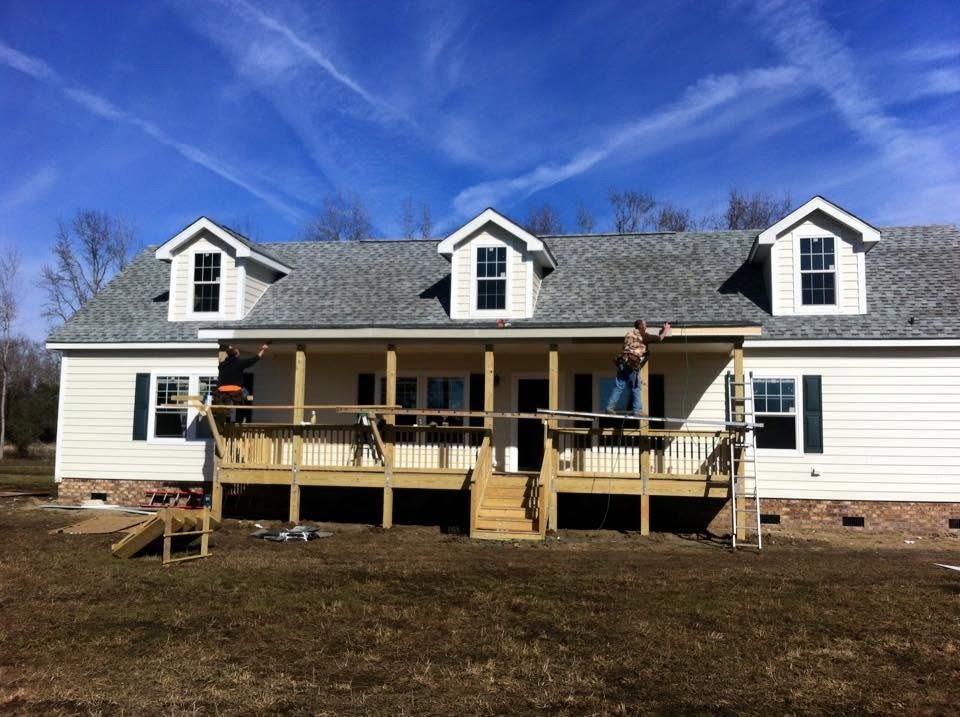
First impressions matter, and the exterior of a residence is the most visible statement of style, functionality, and care. Thoughtful upgrades not only boost curb appeal but also enhance energy efficiency, protect structural integrity, and increase property value. Whether planning a modest refresh or a comprehensive makeover, understanding the key elements of exterior home improvement can guide homeowners toward choices that deliver lasting results.
Assessing the Current Exterior
Before committing to any project, a thorough evaluation of the existing fa??ade is essential. This assessment helps prioritize tasks, estimate costs, and identify opportunities for improvement.
- Structural Condition: Look for cracks in foundation walls, sagging roofs, or deteriorated siding that may need repair.
- Weatherproofing: Check for gaps around windows, doors, and utility penetrations that could lead to drafts or moisture intrusion.
- Energy Performance: Evaluate insulation levels, window glazing, and shading devices to determine potential energy savings.
- Visual Appeal: Consider color schemes, architectural details, and landscaping that reflect personal taste and neighborhood standards.
For a deeper dive into systematic evaluation methods, Discover expert strategies here and learn how professional assessments can streamline the planning process.
Key Exterior Improvement Areas
1. Roofing and Gutters
A durable roof shields the home from the elements, while properly functioning gutters direct water away from the foundation.
- Upgrade to architectural shingles or metal roofing for enhanced longevity.
- Install seamless gutters with leaf guards to reduce maintenance.
- Consider reflective roofing materials to lower cooling costs during summer months.
Detailed guidance on selecting the right roofing system can be explored in advanced guides and tips, offering insights into material performance and regional suitability.
2. Siding and Cladding
Siding provides both protection and aesthetic framing. Modern options balance durability with design flexibility.
- Fiber-cement siding mimics wood grain while resisting rot and pests.
- Vinyl siding offers low-maintenance, cost-effective solutions with a wide color palette.
- Natural stone or brick veneer adds a timeless, high-end appearance.
Homeowners interested in material comparisons can learn about tailored solutions that align with budget and style preferences.
3. Windows and Doors
High-performance windows and doors improve insulation, security, and visual appeal.
- Choose double- or triple-pane glazing with low-E coatings for optimal thermal performance.
- Opt for insulated frames, fiberglass, vinyl, or thermally broken aluminum, to reduce heat transfer.
- Incorporate decorative transoms or sidelights for added character.
For a comprehensive overview of energy-efficient glazing options, find out more about this approach and see how modern technologies can lower utility bills.
4. Outdoor Living Spaces
Patios, decks, and pergolas extend living areas beyond the interior walls, creating functional zones for entertainment and relaxation.
- Use durable composite decking to resist warping and splintering.
- Integrate built-in seating or fire features for year-round usability.
- Apply permeable pavers to manage stormwater while maintaining an attractive surface.
Ideas for designing cohesive outdoor rooms are available when you Explore advanced guides and tips on landscape integration and material selection.
Enhancing Curb Appeal Through Landscaping
Landscaping complements structural upgrades by framing the home with natural elements. Strategic planting, lighting, and hardscape features can dramatically improve visual impact.
- Implement layered planting, groundcovers, shrubs, and mature trees, to create depth.
- Install low-voltage pathway lighting for safety and ambiance.
- Consider a unified hardscape theme using stone, brick, or reclaimed wood.
For inspiration on cohesive design themes, Discover expert strategies here and explore case studies that blend architecture with nature.
Budgeting and Project Management
Successful exterior renovations require realistic budgeting and disciplined project oversight.
- Set Priorities: Rank projects based on safety, return on investment, and personal preference.
- Obtain Multiple Quotes: Compare estimates from reputable contractors to ensure competitive pricing.
- Plan for Contingencies: Allocate 10-15% of the total budget for unexpected issues.
- Timeline Management: Sequence work to minimize disruption, roofing before siding, windows after structural repairs, etc.
Guidelines for effective budgeting can be learned about through tailored solutions, providing tools to keep projects on track and within financial limits.
Maintaining the Upgraded Exterior
Post-completion care preserves the investment and extends the lifespan of improvements.
- Schedule annual roof inspections and clean gutters before the rainy season.
- Repaint or reseal siding every 5-7 years, depending on exposure.
- Lubricate door hardware and check weatherstripping for airtight performance.
- Prune trees and shrubs regularly to prevent damage to siding and roofs.
Ongoing maintenance tips are detailed in resources that find out more about this approach, ensuring the exterior remains as striking as the day it was completed.
Conclusion
Exterior home improvement merges aesthetic ambition with practical necessity. By systematically assessing current conditions, selecting high-performing materials, and integrating thoughtful landscaping, homeowners can achieve a transformation that elevates both livability and market value. Leveraging expert guidance, available through reputable sources such as Explore advanced guides and tips, ensures each decision aligns with long-term goals, delivering a refreshed fa??ade that stands the test of time.
